Avoid hidden charges for Bromley upholstery cleaning jobs
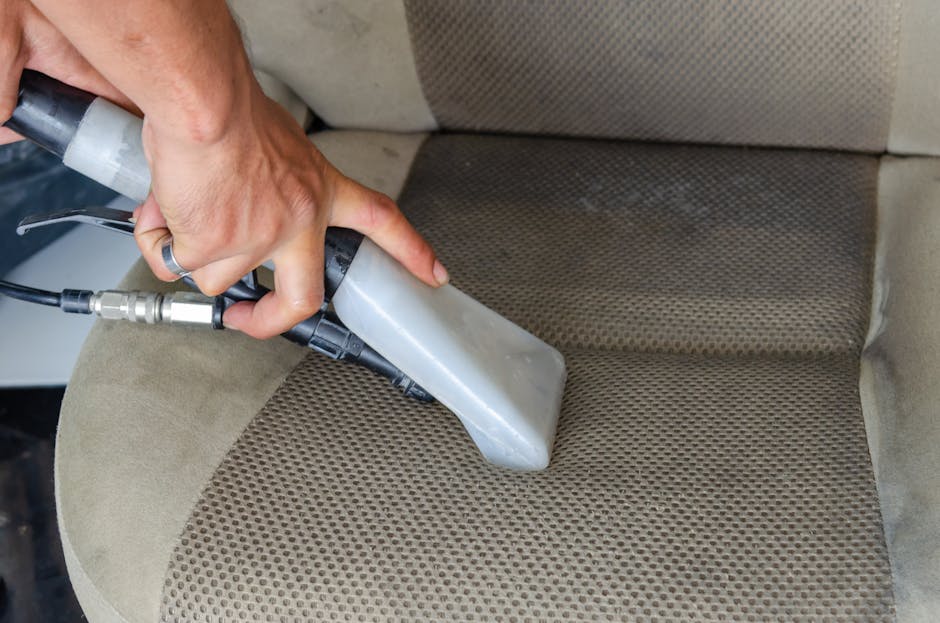
If you have ever asked for an upholstery cleaning quote and then seen the final bill creep up, you are not alone. The good news is that avoiding hidden charges for Bromley upholstery cleaning jobs is usually straightforward once you know what to ask, what to check, and what a proper quote should include. Whether you are cleaning a sofa after a spill, freshening up dining chairs before guests arrive, or getting a whole set of furniture sorted, the same basic rule applies: clarity first, cleaning second. That one habit can save you a lot of hassle. And a bit of money too, obviously.
In this guide, we will walk through the common fee traps, how professional upholstery cleaners normally price jobs, and the questions that make vague estimates turn into proper, usable quotes. You will also find a practical checklist, a comparison table, and a few real-world examples so you can book with more confidence and fewer surprises.
Why Avoid hidden charges for Bromley upholstery cleaning jobs Matters
Hidden charges are frustrating in any service, but they sting more when the job seems simple. Upholstery cleaning often looks like a small, tidy task from the outside: one sofa, one stain, one price. In practice, furniture varies wildly. A three-seat fabric sofa with light soiling is a very different job from a modular corner suite with pet odour, deep staining, or delicate material that needs careful treatment.
That difference is exactly where unexpected costs creep in. A customer may hear one headline price on the phone, then find out later that stain treatment, fibre protection, parking, access issues, or minimum call-out terms were not included. To be fair, some of these costs are legitimate. The issue is not charging for real work; it is surprising the customer after the fact.
For Bromley homeowners, landlords, tenants, and small businesses, clear pricing matters for another reason too: it helps you compare providers on a like-for-like basis. If one cleaner is quoting a lower figure but quietly excluding half the job, the cheaper option is not really cheaper. It is just less visible. And that tends to bite later.
Good pricing is also a sign of good service. A company that explains its process clearly is usually more careful about the clean itself, the prep, the aftercare, and the paperwork. You can see that same approach in their published pricing and quotes guidance, along with service pages such as upholstery cleaning and sofa cleaning, which help set expectations before anyone arrives.
How Avoid hidden charges for Bromley upholstery cleaning jobs Works
At a practical level, avoiding hidden charges is about replacing guesswork with specifics. A proper upholstery quote should be built from the real variables in the job, not a vague guess. That usually includes the item type, material, size, level of soiling, stain type, access, and whether extra treatments may be needed.
Here is the basic flow you should expect:
- Initial enquiry: You describe the furniture, the material if you know it, and the problem areas.
- Assessment: The cleaner may ask follow-up questions or request photos to judge condition and fabric type.
- Quote: You get a clear price, ideally with what is included and what might cost extra.
- Confirmation: Terms are agreed before work starts, including any limitations or assumptions.
- On-site check: The cleaner inspects the item, confirms the plan, and only then begins work.
If a company skips steps two through four and rushes straight to a "cheap from" price, that is where you should slow down. A low entry figure can be fine as a starting point, but only if the provider explains what it covers. Otherwise it is a bit like ordering a meal and discovering chips, sauce, and even the plate are charged separately. Not ideal.
Some extra costs are normal in upholstery cleaning, but they should be predictable. For example, advanced stain removal can require specialist spot treatment. Heavy pet odour may need a separate process. Delicate or water-sensitive fabrics may need slower, more cautious methods. These are not hidden charges if they are explained before booking. They are just part of honest quoting.
If you want a useful benchmark for transparency, look for clear service information and written terms. A company's terms and conditions should support the quote, not contradict it, and their payment and security information should make it obvious how payments are handled.
Key Benefits and Practical Advantages
When pricing is transparent, the benefits go beyond avoiding awkward surprises on invoice day. You make better decisions, choose the right treatment, and reduce the chance of a rushed job.
- Budget control: You know the likely final cost before the cleaner starts.
- Better comparisons: You can compare providers fairly rather than guessing.
- Less friction: No unpleasant back-and-forth about "extra" charges after the work.
- More appropriate cleaning: The cleaner can choose the right method for the fabric and stain type.
- Greater trust: Clear pricing often reflects an organised, professional service.
- Fewer misunderstandings: Everyone knows what is included, so expectations stay realistic.
There is also a quality benefit. When a cleaner has already discussed access, fabric type, and problem stains, they usually arrive more prepared. That matters with upholstery. A faint odour can become obvious once the room warms up. A stain that looks minor in daylight can prove stubborn once treated. Honest pricing gives the cleaner room to plan properly rather than improvise.
And yes, the savings can be indirect as well. If a quote is clear from the start, you are less likely to approve unnecessary add-ons later. You may also avoid booking the wrong service entirely. For example, sometimes a sofa only needs targeted stain removal, while in other cases the full upholstery process makes more sense. A little clarity now saves a lot of regret later.
Expert summary: the safest way to avoid hidden charges is to treat every quote as a mini contract. Ask what is included, what is optional, what might trigger a price change, and how the cleaner handles unexpected fabric issues. If those answers are vague, keep looking.
Who This Is For and When It Makes Sense
This approach is useful for almost anyone booking upholstery cleaning in Bromley, but it is especially valuable in a few common situations.
- Homeowners cleaning a family sofa, armchairs, dining chairs, or headboards.
- Tenants who want to avoid a dispute over service costs before moving out.
- Landlords and letting agents managing end-of-tenancy cleans and want costs documented properly.
- Pet owners dealing with odour, hair, or repeated accidents.
- Busy households where spills happen and you need a clear, no-drama service.
- Small businesses such as offices, salons, or waiting areas where upholstered seating needs regular attention.
It makes sense whenever the item is valuable, awkward to move, or hard to replace. A single sofa is not just a sofa when it is the main seat in the living room and the cat has claimed the corner. You want the clean to be done properly, but you also want to know the final figure before anyone starts spraying and steaming.
Commercial clients usually need extra attention to the quote structure because job scope can change quickly. If you are comparing services for businesses, it can help to review related information on commercial carpet cleaning and even broader maintenance pages like carpet cleaning, since the same principle applies: clear scope, clear price, clear finish.
Step-by-Step Guidance
Here is a practical way to keep costs transparent without making the process feel like a legal interview. You do not need to interrogate the cleaner, just ask the right questions in the right order.
1. Describe the furniture accurately
Start with the basics: number of seats, approximate size, fabric type if known, and any visible marks. A photo is even better. If you are unsure about the material, say so. It is far better to admit uncertainty than to guess and end up with the wrong treatment.
2. Explain the problem, not just the item
A quote for "one sofa" is too vague. A quote for "one three-seat sofa with drinks spill on one cushion, light general soiling, and a pet smell in the fabric" is useful. The more precise you are, the less room there is for later add-ons.
3. Ask what the price includes
Make sure you know whether the quote covers inspection, pre-treatment, standard cleaning, drying advice, and spot treatment. If the company offers extras like protection or odour neutralisation, ask whether they are included or optional.
4. Ask what could change the price
This is the big one. Common triggers include deep staining, severe odour, fabric complexity, extra pieces discovered on arrival, difficult access, parking restrictions, and jobs that take longer than described. A clean provider should be able to explain these plainly.
5. Check the terms before confirming
Read the written quote, booking note, or service terms. You do not need to obsess over every line, but you should understand cancellation rules, payment timing, and whether there is a minimum charge. The cleaner's health and safety policy and insurance and safety information are also worth a quick look, because a professional setup usually goes hand in hand with clear pricing.
6. Confirm the job on arrival
When the cleaner arrives, ask for a quick recap. If something looks different from the photos or your description, sort it out before work begins. It is a five-minute conversation that can save a fifty-pound surprise. Maybe more.
Expert Tips for Better Results
Over the years, one thing becomes obvious: the people who avoid hidden charges are usually the people who ask calm, specific questions early. No drama. Just good habits.
- Send clear photos: A well-lit photo in daylight tells the cleaner far more than a rushed text description at 8:30 pm.
- Mention past treatments: If you have used store-bought stain sprays or DIY cleaning powder, say so. Previous products can affect the result.
- Ask about fabric type: Cotton blends, velvet, microfibre, and leather all behave differently. Prices may vary for good reason.
- Separate standard cleaning from stain work: Some cleaners price these as distinct tasks. That is fine, as long as it is stated clearly.
- Watch for "from" language: A starting price is not a final price. Ask what the upper end might be for your particular item.
- Confirm travel or access charges: If your property has awkward parking or multiple flights of stairs, ask before booking.
One small but useful habit: keep screenshots or notes of the quote conversation. Nothing formal, just enough to remember what was agreed. Human memory is funny like that. Fine until it isn't.
Also, if a company explains how it handles specialist issues like pet smells or stubborn marks, that is a good sign. Upholstery jobs often connect to related services such as pet stain odour removal and more targeted stain removal. A cleaner who can clearly separate those treatments is usually thinking properly about scope and cost.
Common Mistakes to Avoid
Most price problems happen before the clean even starts. The mistake is rarely "choosing the wrong cleaner" in a dramatic sense. It is usually something smaller and simpler.
- Booking on headline price alone: The cheapest advert is not always the best value.
- Assuming all sofas are priced the same: A loveseat, corner unit, and fabric recliner are not identical jobs.
- Not mentioning pets or stains: These are common reasons for extra treatment, so say it early.
- Ignoring small print: Minimum charges and call-out terms are often where disputes begin.
- Failing to ask about parking or access: Some jobs become more complex simply because the cleaner cannot unload easily.
- Not checking what "included" means: Does it include pre-spray? Hot water extraction? Spot treatment? Ask.
Another one is surprisingly common: people assume every company uses the same method. They do not. Some jobs are handled with steam-based systems, while others need lower-moisture or fabric-specific techniques. If you are also comparing broader fabric care options, it can be useful to look at services like steam carpet cleaning or curtain cleaning to understand how different textiles require different treatment logic.
Tools, Resources and Recommendations
You do not need specialist equipment to protect yourself from hidden charges. A few simple tools make a big difference.
- Phone camera: Take clear photos of each item, including close-ups of stains and wider shots of the room.
- Notes app: Keep a short list of what you told the cleaner and what they said the quote included.
- Measuring tape: Rough dimensions help when the item size affects pricing.
- Fabric label check: If the care label is still attached, it may give useful cleaning guidance.
- Email or message record: Written confirmation is always helpful if questions come up later.
For a trustworthy booking process, it is also worth reviewing a company's service pages and policy pages together. That gives you a much better picture than looking at a single price line. In particular, about us can tell you how the business presents itself, while recycling and sustainability can show how it handles waste and materials responsibly. Not every customer will care equally about that, but many do.
If you are planning a larger clean or a full-home refresh, it can also make sense to ask for separate pricing on adjacent items such as rug cleaning or mattress cleaning. Bundled work can be efficient, but only if the quote still shows each item clearly. Otherwise the savings get fuzzy very quickly.
Law, Compliance, Standards, and Best Practice
For upholstery cleaning, the main compliance issue from a customer point of view is not usually a dramatic legal one. It is clarity, fairness, and safe working practice. In the UK, businesses should present prices honestly and avoid misleading sales practices. You do not need to quote legislation line by line to know the principle: the price you agree to should match the service you are actually buying.
Best practice also means the cleaner should explain any conditions that affect the work, such as fabric limitations, stain risks, or access problems. Written terms help here. So do sensible payment practices, proper insurance, and documented safety procedures. That is especially important where cleaning chemicals, moisture, or delicate furniture finishes are involved.
Customers should expect a professional cleaner to work with reasonable care, respect property, and explain limitations honestly. If the fabric is too delicate for a standard process, say so upfront. If a mark may not fully lift, say that too. It is better to be realistic than to make promises that the fibres simply cannot keep.
For peace of mind, you can also review the company's public policy pages such as complaints procedure, privacy policy, and payment and security. They do not replace a proper quote, of course, but they do show whether the business takes process and accountability seriously. In a service job, that counts.
Options, Methods, and Comparison Table
Different upholstery cleaning approaches can affect both price and the risk of extra charges. The table below is not a list of exact prices, because those vary by item and condition. It simply helps you understand how the methods differ in practice.
| Method | Best for | Possible cost factors | Hidden-charge risk |
|---|---|---|---|
| Standard upholstery cleaning | General soiling, routine refresh, everyday furniture care | Furniture size, fabric type, drying time | Low if the quote is itemised clearly |
| Spot and stain treatment | Visible marks, localised spills, older stains | Stain age, stain type, number of affected areas | Medium if stain work is not discussed in advance |
| Odour-focused treatment | Pet accidents, lingering smells, absorbent fabrics | Severity of odour, repeat treatments, fabric depth | Medium to high if pet-related issues are not declared early |
| Delicate fabric cleaning | Velvet, fine blends, sensitive materials | Testing time, slower method, extra care | Medium, because specialists may need to adjust on arrival |
| Combined room and furniture clean | Homes with sofas, rugs, and carpets booked together | Scope of each item, travel, total time on site | Low to medium if the package is broken down clearly |
The real takeaway here is simple: the more unusual the item or issue, the more important it is to nail down scope before booking. A plain sofa in fair condition is easy. A patterned armchair with an old coffee stain in the back room near a tricky stairwell? That needs a more careful quote, no question.
Case Study or Real-World Example
Here is a typical real-world scenario. A Bromley family books a clean for a three-seat fabric sofa after a birthday party. They mention a light red wine spill but do not mention that the sofa also has a long-standing pet odour in one corner. On arrival, the cleaner finds the spill is manageable, but the odour has settled deeper into the cushion area. That extra work changes the scope.
Now, in a good system, this would not become a nasty surprise. The cleaner would explain the issue before starting, talk through the additional treatment, and confirm whether the customer wants to proceed. Everyone stays on the same page. The family gets the clean they actually need, and the final bill reflects the extra time honestly.
In a poor system, the customer might only hear about the added fee when the job is finished. That is exactly the kind of situation that turns a simple upholstery clean into a grievance. Truth be told, most disputes are avoidable if the conversation happens at the beginning, not the end.
A second example: a small office books chair cleaning for a reception area. The quote covers a standard number of chairs, but two extra chairs are added on the day. If the provider has already said that additional items are charged separately, the adjustment is fair. If not, irritation follows. Not because the work was done, but because the boundaries were fuzzy.
Practical Checklist
Use this quick checklist before you confirm any upholstery cleaning booking in Bromley.
- Have I described the furniture clearly, including number of seats or items?
- Have I mentioned all visible stains, spills, pet issues, or odours?
- Have I asked what the quoted price includes?
- Have I asked what could cause the price to change?
- Do I know whether stain treatment is included or charged separately?
- Do I understand any minimum charge, call-out, or access fee?
- Have I checked the terms and payment details?
- Have I kept a written record of the quote or key messages?
- Have I asked about parking, access, and arrival expectations?
- Do I feel comfortable that the cleaner explained things plainly?
If you can tick those off, you are already ahead of most people. And no, that is not because people are careless. It is usually because they are busy, rushing between school run, work, and the kettle going again. Life happens. The checklist just keeps the booking tidy.
Get a free quote today and see how much you can save.
Conclusion
Avoiding hidden charges for Bromley upholstery cleaning jobs is mostly about clarity, not confrontation. When you ask the right questions, share a few photos, and confirm what is included, you remove most of the uncertainty from the booking. That makes the experience calmer for you and easier for the cleaner as well.
The best services do not hide the difficult bits. They explain them. That is the difference between a cheap-looking price and a genuinely fair one. If you want fewer surprises, better value, and a smoother clean, start with the quote. Everything else gets easier from there.
And if the furniture looks a bit tired by the end of winter, well, that is normal. The important thing is getting it sorted without the bill becoming the surprise of the week.
Frequently Asked Questions
What are hidden charges in upholstery cleaning?
Hidden charges are costs that were not clearly explained before the job started. In upholstery cleaning, that can include extra stain treatment, odour work, access fees, or charges for additional items. The key issue is not the charge itself, but whether you knew about it in advance.
How can I tell if a Bromley upholstery quote is honest?
An honest quote explains what is included, what is not included, and what could change the final price. It should not rely only on a vague "from" figure. If the provider can answer your questions plainly, that is usually a good sign.
Should stain removal be included in the main price?
Not always. Some cleaners include light spot treatment in the main service, while deeper or specialist stain work may be charged separately. What matters is that the difference is made clear before booking, not after the clean.
Why do pet-related jobs sometimes cost more?
Pet stains and odours can soak deeper into fabric and cushion fillings, so they often need more targeted treatment. That does not mean the cleaner is overcharging; it means the job may require more time, more product, or a different method.
Is it better to get a fixed price or an estimate?
A fixed price gives more certainty, but only if the job details are accurate. An estimate can still be useful for complex items, as long as the cleaner explains the likely range and the reasons it might change.
What should I ask before booking upholstery cleaning?
Ask what is included, whether stain treatment costs extra, whether parking or access affects the price, and how the company handles delicate fabrics. Those four questions alone filter out a lot of vague quotes.
Can I reduce the price by giving photos first?
Often, yes. Clear photos help a cleaner assess the item properly before arriving, which can reduce the chance of unexpected scope changes. It may also help them give you a more accurate quote from the start.
Do all upholstery cleaners charge for the same things?
No, and that is exactly why comparisons can be misleading. One provider may include more in the base price, while another separates out extras. Always compare the scope, not just the headline number.
What if the cleaner finds extra damage on arrival?
They should explain the issue and check with you before proceeding if it affects the price or cleaning method. Small surprises happen. That part is normal. The important thing is that you are told before any extra work is done.
How do I avoid paying twice for the same job?
Keep the quote in writing, confirm the inclusions, and make sure any added work is agreed before it starts. If you book again later for a separate issue, ask for a new quote rather than assuming it is covered under the first visit.
Are cheap upholstery cleaning offers usually risky?
Not always, but very low prices can be a warning sign if they are not explained properly. A cheap offer may be genuine, or it may leave out important parts of the job. The trick is to check the details rather than chasing the lowest headline figure.
Where can I find more information about pricing and payment?
Useful starting points are the company's published pricing and quotes page and its payment and security information. Those pages help you understand how quotes, payment, and service expectations are handled before booking.